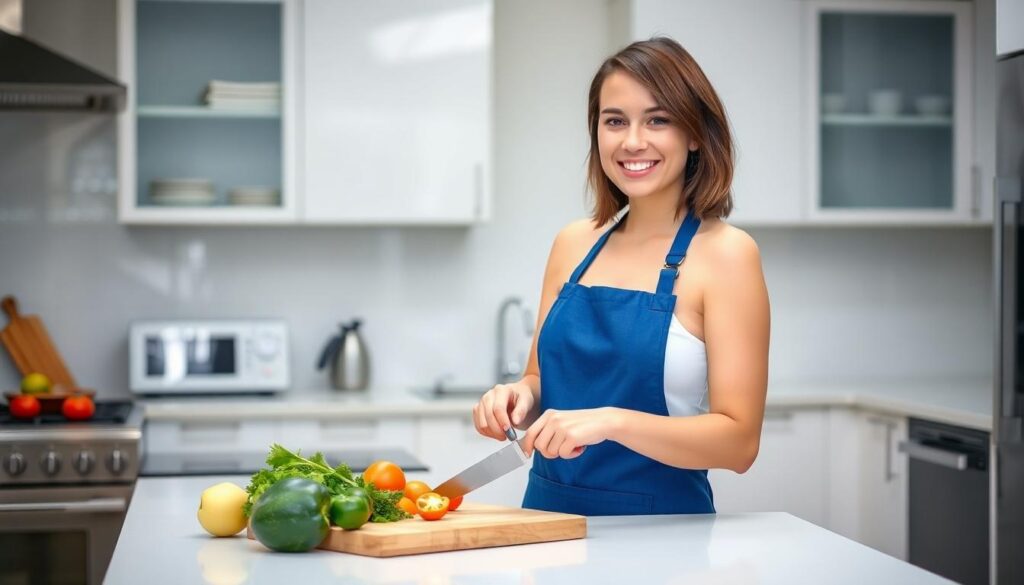
The kitchen can be a culinary wonderland or a disaster zone waiting to happen. With sizzling pans and sharp knives lurking around every corner, safety should always be a top priority. After all, no one wants their famous lasagna to be overshadowed by a trip to the ER.
Importance Of Kitchen Safety
Kitchen safety plays a crucial role in preventing accidents and injuries. Hazards such as hot pans, sharp knives, and slippery floors present significant risks during cooking. Prioritizing safety helps ensure a positive cooking experience.
In fact, the kitchen is one of the most dangerous areas in a home, with thousands of accidents reported annually. Statistics show that more than 40 percent of household injuries occur in the kitchen, underscoring the necessity of safety practices.
Using proper techniques when handling kitchen tools is essential. For example, always using knives on stable surfaces can help prevent cuts. Storing knives in a designated drawer or block reduces the chance of accidental injuries.
Keeping the cooking area clean contributes significantly to safety. Spills attract slippery surfaces, which can lead to falls. Regularly wiping down surfaces not only keeps the kitchen tidy but also minimizes risks.
Adopting basic first aid knowledge enhances kitchen safety. Understanding how to treat burns or cuts allows for quick responses to minor injuries. Having a first aid kit readily available makes addressing emergencies easier during cooking sessions.
Awareness of appliance safety is another critical factor. Keeping electrical cords away from hot surfaces prevents fire hazards. Ensuring appliances are properly maintained reduces the likelihood of malfunctions.
Prioritizing kitchen safety requires continuous attention. Prevention of accidents will enhance the cooking experience, allowing for enjoyable and safe meal preparation.
Common Kitchen Hazards

Understanding kitchen hazards is vital for maintaining safety while cooking. Recognizing these risks helps individuals take appropriate precautions and create a safer cooking environment.
Cuts And Lacerations
Cuts and lacerations pose significant risks in the kitchen. Sharp knives can lead to serious injuries if mishandled. Always use cutting boards to stabilize items while chopping. They should be cleaned regularly to prevent contamination. Storing knives in sheaths or designated holders minimizes accidental cuts. When using mandolins or graters, utilizing protective gloves reduces laceration risks.
Burns And Scalds
Burns and scalds rank among the most common kitchen injuries. Touching hot surfaces or cooking equipment often causes severe burns. Safe handling of pans and pots prevents accidents; using oven mitts is essential. Spills from hot liquids can lead to severe scalds. Always pour hot substances slowly to avoid splashing. Ensuring that pot handles face inward on the stove also prevents accidental contact.
Slips And Falls
Slips and falls frequently occur due to spills or cluttered floors. Maintaining a clean cooking area significantly reduces these dangers. Addressing spills immediately prevents slippery surfaces. Proper footwear provides grip and stability on kitchen floors. Keeping walkways clear enhances safety and minimizes trip hazards. Regular maintenance of mats and rugs contributes to overall kitchen safety.
Essential Kitchen Safety Tips
Prioritizing kitchen safety ensures a safer cooking environment. Implementing effective practices can prevent common accidents.
Proper Knife Handling
Using sharp knives without awareness increases injury risk. Always cut on stable surfaces to minimize slips. Keeping knives out of children’s reach is essential for safety. Protective gloves provide an extra layer of security during food preparation. Regularly sharpening knives enhances control, reducing the likelihood of accidents.
Appliance Safety
Electrical cords present fire hazards when placed near hot surfaces. Ensuring cords are secured and away from heat sources prevents overheating. Regular maintenance of appliances can reduce malfunction risks. Unplug appliances when not in use to minimize electrical hazards. Following the manufacturer’s instructions for each device promotes safe usage.
Safe Food Storage
Food safety begins with proper storage practices. Refrigerating perishable items within two hours prevents bacteria growth. Organizing the fridge ensures older items are used first, reducing waste. Using airtight containers protects food from contamination. Labeling food helps track freshness, ensuring safe consumption.
Best Practices For Cleaning
Cleaning is essential for maintaining kitchen safety and hygiene. Implementing effective cleaning practices minimizes the risk of cross-contamination and accidents.
Sanitizing Surfaces
Sanitizing kitchen surfaces prevents the spread of harmful bacteria. Use a solution of one tablespoon of unscented liquid chlorine bleach mixed with one gallon of water for effective sanitization. Apply the mixture to countertops, cutting boards, and utensils. Allow it to sit for at least one minute before wiping it off with a clean cloth. Cleaning after each food preparation session, particularly after handling raw meat or poultry, ensures a safe cooking environment. Regularly cleaning kitchen appliances, like microwaves and refrigerators, helps maintain cleanliness and reduces the chance of spills and odors.
Safe Use Of Cleaning Chemicals
Using cleaning chemicals safely is crucial in the kitchen. Always read and follow the manufacturer’s label instructions to avoid accidents. Use gloves when handling chemicals to protect skin from irritation. Ensure proper ventilation by opening windows or turning on exhaust fans while using strong cleaners. Store cleaning products out of reach of children to prevent accidental ingestion. Avoid mixing different cleaning agents, especially ammonia and bleach, as it can produce dangerous fumes. Proper disposal of used chemical containers minimizes environmental impact and maintains a safe kitchen area.
Prioritizing kitchen safety is essential for creating a secure cooking environment. By recognizing potential hazards and implementing best practices, individuals can significantly reduce the risk of accidents. Simple steps like using stable cutting surfaces and maintaining a clean workspace can make a world of difference.
Having basic first aid knowledge and a well-stocked first aid kit ensures quick responses to minor injuries. Awareness of appliance safety and proper food storage further enhances safety in the kitchen. With consistent attention to these practices, cooking can remain an enjoyable and safe experience for everyone.