Vulvovaginitis can be an uncomfortable and frustrating condition, affecting many women at some point in their lives. It often results in irritation, itching, and unusual discharge, leading to a search for effective relief. While medical advice is essential, many women prefer to explore home remedies that can alleviate symptoms and promote healing.
Understanding the causes of vulvovaginitis is crucial for effective treatment. Factors like infections, allergies, and hormonal changes can contribute to this condition. By adopting simple home care strategies, women can find comfort and restore balance. This article will delve into practical tips and remedies that can be easily implemented at home, empowering women to take charge of their health and well-being.
Understanding Vulvovaginitis
Vulvovaginitis is a condition characterized by inflammation of the vulva and vagina. Recognizing its causes and symptoms aids in effective management.
Common Causes
- Infections: Bacterial vaginosis, yeast infections, and sexually transmitted infections contribute to vulvovaginitis.
- Allergies and Irritants: Products like soaps, detergents, and scented toilet paper can trigger allergic reactions or irritate the vulva and vagina.
- Hormonal Changes: Fluctuations during menstrual cycles, pregnancy, or menopause can lead to vulvovaginitis.
- Poor Hygiene: Inadequate cleaning can promote the growth of harmful bacteria and lead to infection.
Symptoms to Watch For
- Itching: Persistent itching in the vulvar area may indicate vulvovaginitis.
- Burning Sensation: A burning feeling during urination or intercourse can signal irritation.
- Unusual Discharge: Changes in discharge color or consistency, such as a thick, white discharge, suggest an underlying issue.
- Swelling and Redness: Inflammation often presents with visible swelling and redness of the vulva.
Home Remedies for Vulvovaginitis
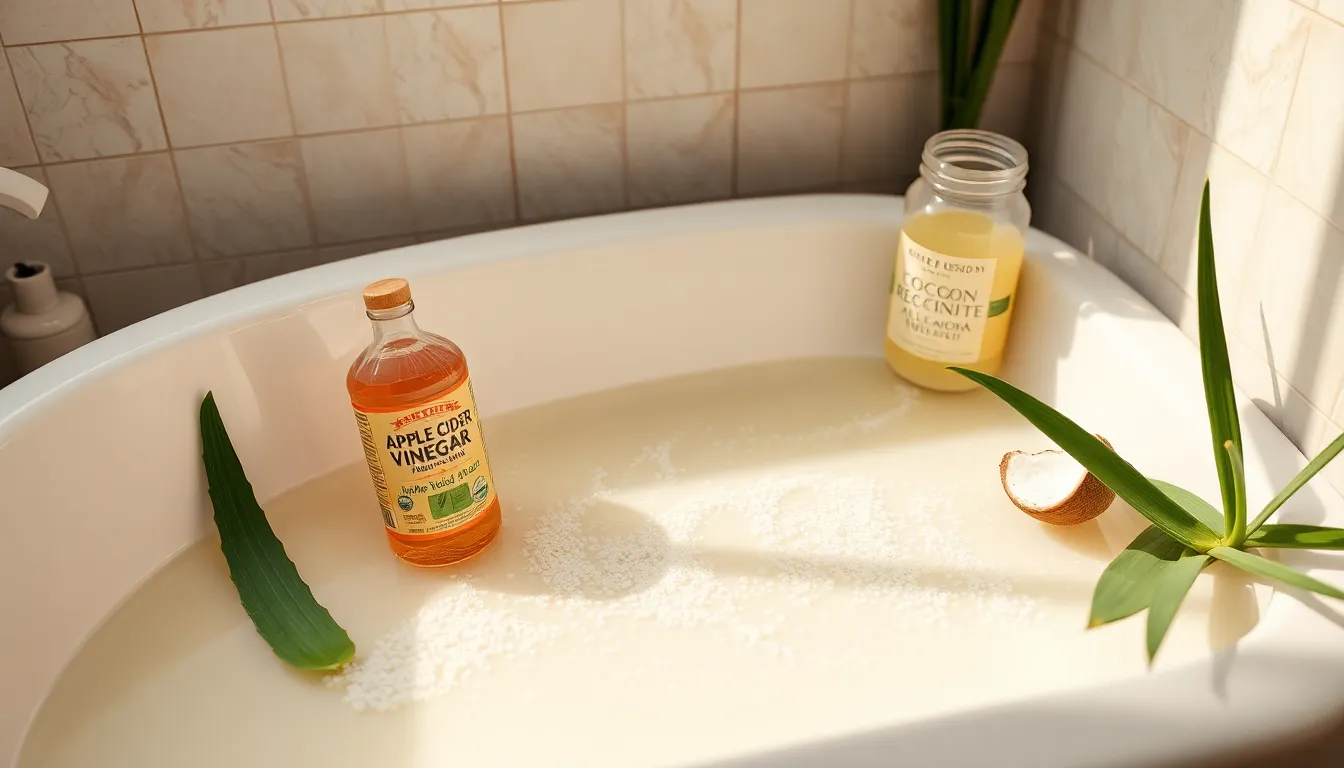
Women can find relief from vulvovaginitis symptoms by implementing effective home remedies. These strategies may ease discomfort and support healing.
Natural Treatments
- Coconut Oil: Coconut oil possesses antifungal and antibacterial properties. Applying it externally can soothe irritation and reduce unwanted microbial growth.
- Probiotics: Probiotics, found in yogurt or supplements, help restore healthy vaginal flora. Regular consumption can combat imbalances caused by infections.
- Apple Cider Vinegar: Adding apple cider vinegar to a sitz bath can help balance vaginal pH. Dilute vinegar in warm water for effective use.
- Herbal Teas: Herbal teas such as chamomile or peppermint can provide anti-inflammatory benefits. Drinking these teas may reduce overall irritation and promote relaxation.
- Aloe Vera: Applying aloe vera gel to the affected area can soothe inflammation. Its natural properties aid in tissue healing and comfort.
Dietary Considerations
- Increase Hydration: Drinking adequate water supports overall health and hydration levels in tissues. It can help alleviate dryness and irritation.
- Consume Garlic: Garlic has antifungal properties. Including it in meals can support the body in fighting off potential infections.
- Limit Sugar Intake: Reducing sugar consumption may prevent yeast overgrowth. This step can help maintain healthy vaginal flora.
- Incorporate Omega-3 Fatty Acids: Foods rich in omega-3, such as salmon or flaxseeds, can reduce inflammation. This dietary change can improve overall comfort.
- Choose Whole Grains: Whole grains provide essential nutrients that support immune health. Opt for brown rice, oats, or quinoa to enhance dietary quality.
Hygiene Practices
Maintaining proper hygiene is essential for managing vulvovaginitis at home. Effective hygiene practices can alleviate symptoms and prevent further irritation.
Importance of Cleanliness
Cleanliness reduces the risk of infections and promotes optimal vaginal health. Daily washing of the genital area helps minimize the buildup of irritants and harmful bacteria. Using mild, unscented soap ensures gentle cleansing without disrupting the natural pH. Regular bathing supports the body’s natural defenses, decreases discomfort, and maintains moisture levels.
Suitable Products to Use
Choosing suitable products plays a significant role in managing vulvovaginitis.
- Unscented soap: Use gentle, unscented soap for washing to avoid irritating the sensitive skin.
- Water-based lubricants: Select water-based lubricants for sexual activity to reduce friction and irritation.
- Cotton underwear: Wear breathable cotton underwear that allows moisture to evaporate, preventing a damp environment.
- pH-balanced feminine washes: Consider pH-balanced washes that support vaginal flora without disrupting the natural acidity.
- Moisture-wicking fabrics: Opt for moisture-wicking fabrics for workouts or hot climates to keep the area dry and prevent irritation.
Incorporating these practices and products into daily routines significantly contributes to managing symptoms and promoting overall vaginal health.
When to Seek Medical Attention
Recognizing when to seek medical help is crucial for addressing vulvovaginitis effectively. Certain warning signs may indicate a need for professional intervention.
Warning Signs
- Persistent Symptoms: If itching, burning, or unusual discharge lasts more than a few days despite home treatment, medical evaluation becomes necessary.
- Severe Pain: Intense pain during urination or intercourse requires immediate attention to determine underlying causes.
- Foul-Smell Discharge: Discharge with a strong, unpleasant odor can indicate a bacterial or sexually transmitted infection, signaling the need for medical assessment.
- Fever or Chills: Systemic symptoms like fever often suggest an infection that may need prescription medication.
- Visible Swelling or Redness: Significant swelling or redness can point to an inflammatory response requiring medical evaluation.
Consulting a Healthcare Professional
Consult a healthcare professional when symptoms worsen or if home remedies provide no relief. Early diagnosis ensures appropriate treatment for any underlying conditions, such as bacterial vaginosis or sexually transmitted infections. A healthcare provider can conduct tests, offer specific medications, and provide tailored advice to restore vaginal health effectively. Regular follow-ups may also help to adjust treatment plans as necessary.
Managing vulvovaginitis at home can be effective with the right approach. By understanding the causes and symptoms, women can implement practical remedies and hygiene practices to alleviate discomfort. Utilizing natural ingredients like coconut oil and apple cider vinegar can provide relief while dietary adjustments support overall vaginal health.
It’s crucial to prioritize proper hygiene to minimize the risk of infections and maintain balance. However, if symptoms persist or worsen, seeking medical advice is essential. Empowering oneself with knowledge and proactive measures can lead to improved well-being and comfort. Taking control of one’s health is a vital step in managing vulvovaginitis effectively.