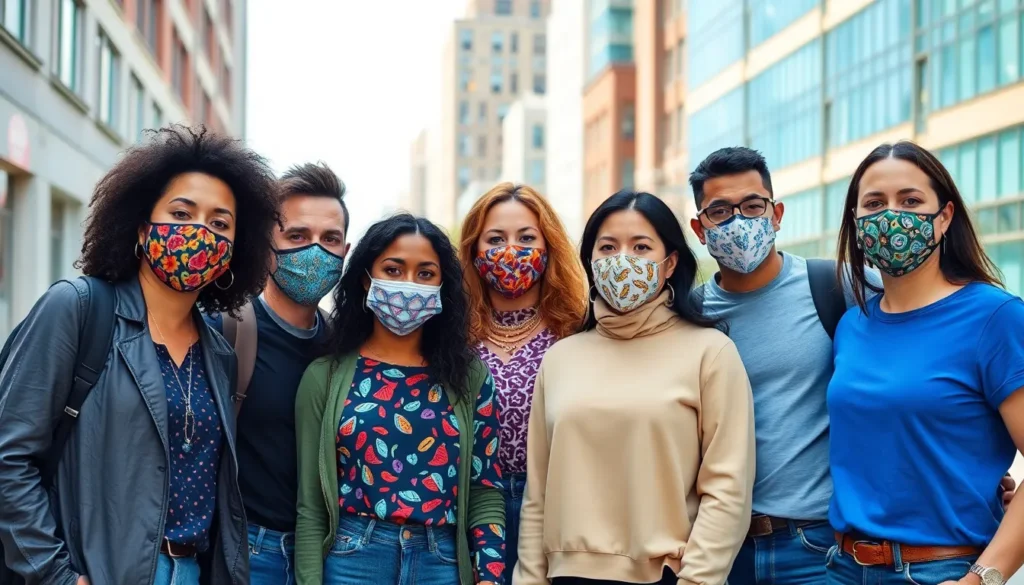
In a world where personal style can often take a backseat to practicality, face masks have emerged as the unexpected fashion statement of the century. Who knew that a piece of fabric could spark such creativity? From quirky patterns to high-fashion designs, face masks have transformed into a canvas for self-expression. They’re not just protecting health; they’re making statements louder than a toddler in a candy store.
But let’s be real—wearing a face mask isn’t just about looking good. It’s about keeping ourselves and others safe while navigating this new normal. With a dash of humor and a sprinkle of style, face masks have become essential accessories. So whether you’re rocking a superhero print or a sleek black number, it’s time to embrace the mask life. After all, who says safety can’t be chic?
Overview of Face Masks
Face masks serve as essential tools in promoting health and safety. Designed to cover the nose and mouth, these products block respiratory droplets, reducing the risk of virus transmission. Various types exist, including surgical masks, N95 respirators, and fabric options. Each type offers different levels of protection, with N95 masks providing the highest filtration efficiency.
The global COVID-19 pandemic significantly influenced face mask usage. Many individuals adopted masks as part of their daily routines, leading to widespread public health campaigns. Organizations, including the World Health Organization (WHO), emphasized mask-wearing alongside physical distancing and hand hygiene.
Materials play a crucial role in face mask effectiveness. Common fabrics include cotton, polyester, and polypropylene, each offering varying levels of breathability and filtration. Masks with multiple layers provide better protection by trapping smaller particles. Research has shown that masks featuring pocket designs allow for the insertion of filters, enhancing filtration.
Fashion trends have emerged alongside the necessity for face masks. Designers began creating unique patterns and styles, transforming masks into fashion statements. Many people now select masks that complement their outfits or express personal beliefs. Online retailers offer an extensive range of choices, ensuring that masks appeal to diverse preferences.
In addition to fashion, sustainability has gained importance in mask production. Eco-friendly options, such as reusable fabric masks, reduce waste. Consumers increasingly prioritize brands that promote responsible manufacturing practices. Adopting sustainable choices supports both personal health and the environment.
Face masks maintain relevance beyond health contexts, reflecting cultural shifts and consumer behavior. They represent a fusion of safety, style, and environmental awareness, making them an integral part of contemporary life.
Types of Face Masks
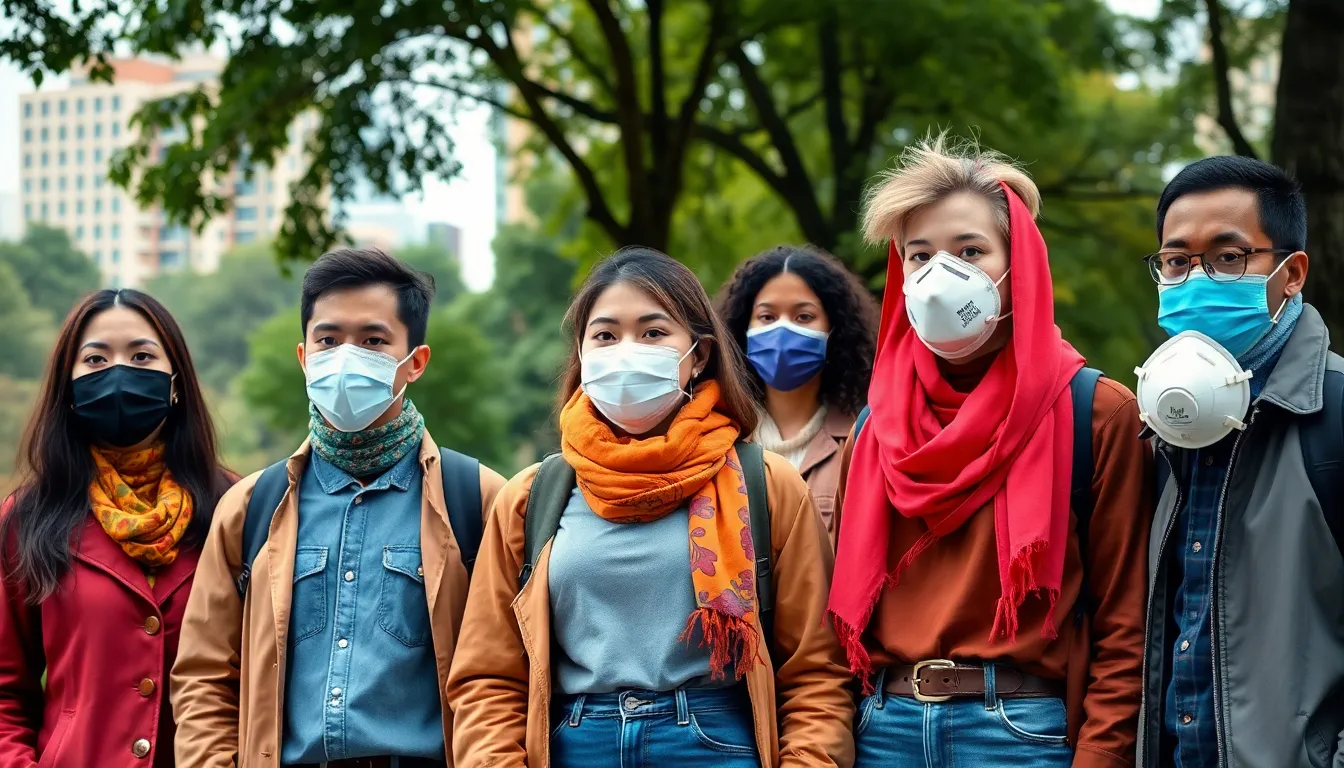
Various face masks serve different purposes, combining functionality with style. Understanding the types helps in making informed choices.
Cloth Masks
Cloth masks feature various designs and are made from cotton or polyester. They offer breathability and comfort, making them popular for everyday use. Multiple layers enhance filtration, allowing them to block respiratory droplets effectively. Options include washable and reusable materials, promoting sustainability. Many individuals choose cloth masks to express personal style, featuring patterns or colors that match outfits. While they don’t provide the same level of filtration as medical masks, they contribute to community protection efforts.
Surgical Masks
Surgical masks are designed for medical settings, providing a barrier against large respiratory droplets. Made from non-woven fabric, these masks filter particles effectively. They’re typically disposable, ensuring hygiene in healthcare environments. Surgical masks are loose-fitting but provide adequate protection for healthcare workers and patients alike. Compliance with standards such as ASTM ensures they meet safety requirements. Using surgical masks in public settings also helps reduce virus transmission risk.
N95 Respirators
N95 respirators offer the highest level of protection among face masks, filtering out at least 95% of airborne particles. Designed for healthcare professionals, their snug fit helps prevent exposure to respiratory droplets. N95 masks must undergo rigorous testing to meet CDC guidelines, ensuring their effectiveness. They are suitable for environments with a high risk of exposure, such as hospitals. Proper fitting ensures optimal performance, making it essential for users to obtain a correct size. Using N95s is particularly important during health crises, providing necessary respiratory protection.
Benefits of Wearing Face Masks
Face masks provide numerous health benefits, ranging from individual protection to communal safety measures.
Protection Against Respiratory Illnesses
Face masks significantly reduce the transmission of respiratory illnesses. They block respiratory droplets, which carry viruses and bacteria, especially during coughing, sneezing, or talking. Surgical masks and N95 respirators offer higher filtration levels than cloth masks, providing essential protection for healthcare workers. In community settings, multi-layer fabric masks effectively filter out larger droplets, contributing to health safety. Various studies have demonstrated that widespread mask usage lowers infection rates. Masks serve as a visible barrier against illness, promoting a culture of preventive health.
Community Protection
Masks play a crucial role in protecting communities. Widespread mask use limits virus spread, benefiting both individuals and vulnerable populations. Community transmission decreases when most individuals wear masks, especially in crowded or enclosed spaces. Masks act as a simple yet effective tool for reducing the overall viral load in a population. They protect not only the wearer but also those around them. High compliance rates with mask usage during pandemics correlate with declines in hospitalization and severe illness. In essence, mask-wearing fosters a collective sense of responsibility toward public health.
Best Practices for Using Face Masks
Adhering to best practices for face mask use ensures optimal protection and safety. Following specific guidelines enhances their effectiveness in preventing virus transmission.
Proper Usage Techniques
Ensure masks cover both the nose and mouth entirely. Avoid touching the front of the mask while wearing it, as contaminated surfaces can transfer germs. Secure the mask snugly against the sides of the face without gaps. Change a mask if it becomes damp or soiled to maintain filtration efficiency. Discard disposable masks after single use, and keep reusable masks clean and dry between uses. Recognize that masks alone are insufficient; continue practicing physical distancing and hand hygiene.
Cleaning and Maintenance
Clean fabric masks regularly to maintain hygiene standards. Machine wash with detergent inside a cloth bag or hand wash using soap and water. Dry masks completely before storing to prevent mold growth. Consider washing after each use, especially in high-risk situations. Inspect masks for damages or wear before each use, replacing them as needed. Store masks in a clean, dry place when not in use, avoiding contact with contaminated surfaces. Prioritize eco-friendly options for reusable masks to enhance sustainability and health benefits.
Face masks have transformed into essential accessories that blend safety with personal style. As they continue to play a crucial role in public health, individuals can choose from a variety of designs that reflect their personality and values. This evolution highlights the importance of balancing practicality with fashion.
Embracing eco-friendly options further elevates their significance in today’s world, aligning personal choices with environmental responsibility. As face masks remain a staple in daily life, their impact extends beyond health protection, fostering a sense of community and shared commitment to safety.