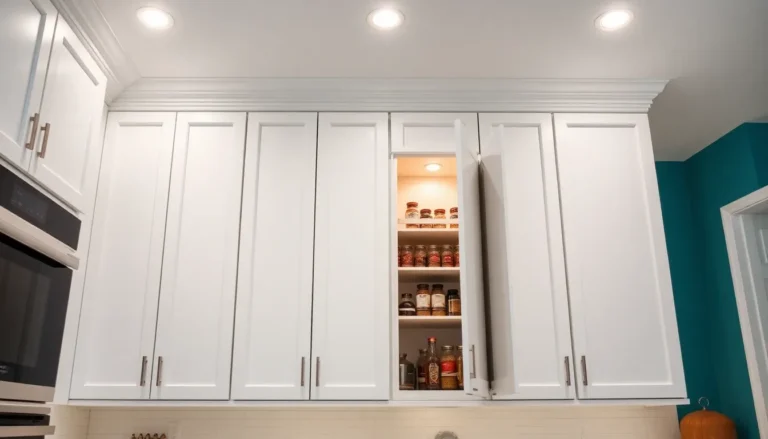
In a world where the kitchen is often hailed as the heart of the home, keeping it organized can feel like assembling IKEA furniture without instructions, confusing and a bit overwhelming. Yet, a tidy kitchen not only enhances your cooking experience but also sparks joy (yes, we can hear Marie Kondo cheering too.). If you’ve ever fumbled through cluttered cabinets while searching for a spatula or felt like your pantry resembles a scene from a disaster movie, fear not. These kitchen organizing hacks will turn your culinary chaos into a symphony of order, and maybe even get you cooking more often.
Why Organizing Your Kitchen Matters

The kitchen is more than just a space for meal prep: it’s a gathering place, a creative studio, and for some, a seemingly black hole of confusion. Organizing your kitchen has several profound benefits that extend beyond mere aesthetics. First and foremost, an organized kitchen saves time. Imagine reaching effortlessly for that elusive can of tomatoes instead of engaging in a full archaeological dig through an abyss of grocery items.
Also, decluttering can lead to a more efficient workflow. When everything has its place, meal preparation becomes smoother and more enjoyable, turning evening meals into a delightful experience rather than a rushed dash. The psychological boost from having an organized space shouldn’t be underestimated, either. Knowing where your ingredients and tools are can make a significant difference in reducing anxiety and stress while cooking.
Finally, a well-organized kitchen can even lead to healthier eating habits. With everything in view, meals can become more exciting and spontaneous. You might actually remember those green beans hiding in the back of the fridge.
So, whether it’s to streamline cooking or brighten your mood, investing time in organizing your kitchen pays off in spades.
Tips for Decluttering Your Kitchen
Let’s face it: kitchens tend to accumulate an impressive amount of stuff. From utensils to five different sets of mismatched cups, decluttering is a necessary rite of passage for anyone seeking harmony in their cooking space. Here are some straightforward tips to help kickstart the process:
Assess and Analyze
Start by taking a good, honest look at what you have. Pull everything out of cabinets and drawers. Yes, everything. This bit can be eye-opening as you might discover duplicates of items that haven’t seen daylight in years.
Categorize Your Items
Group similar items together. For instance, keep baking supplies, cooking utensils, and cutting tools in designated zones. This simple tactic can make finding what you need less of a treasure hunt.
Purge Excess
If you haven’t used it in the last year, it might be time to say goodbye. Donate items that are in good condition or even consider repurposing them into DIY projects.
Use a Timer
Sometimes, just getting started is the hardest part. Set a timer for 15 or 20 minutes and see how much you can declutter in that time. You’ll be surprised at your efficiency.
Adopt the One In, One Out Rule
To maintain your newly discovered organization, consider implementing this rule. For every new item you bring into your kitchen, let go of one you no longer need. This strategy helps to keep clutter at bay.
Engaging in this decluttering process not only revitalizes your kitchen space but also paves the way for innovative storage solutions.
Creative Storage Solutions
With decluttering out of the way, the next step is finding creative ways to store everything. Here’s where the real fun begins.
Drawer Dividers
Drawer dividers can transform a chaotic pile of utensils into neatly separated sections. They create order out of the madness and make it easier to find what you need at a glance.
Magnetic Strips
For cooking tools such as knives or even measuring spoons, magnetic strips can be mounted on walls or the sides of cabinets. Not only does this free up drawer space, but it also looks so chic.
Vertical Storage
Think vertically. Install shelves above counters to maximize space. You can also use tiered organizers to create levels in pantry shelves, allowing you to see everything at once.
Hooks and Racks
Use hooks to hang pots and pans. This saves cabinet space and allows for easy access when cooking. A pot rack can also serve as a decorative element that adds character to your kitchen.
Clear Containers
Investing in clear containers for pantry items helps keep everything visible. You can use jars, bins, or baskets to categorize food items. Plus, they create a lovely aesthetic that makes cooking feel high-end.
Creative storage punctuates functionality with style, turning your kitchen into both an organized workspace and an attractive showcase.
Maximizing Space in Small Kitchens
Small kitchens can be a designer’s nightmare: but, they also offer unique opportunities for ingenuity. Here are methods that can help enhance the efficiency of a compact cooking area:
Use Every Nook and Cranny
Make the most of your kitchen’s real estate. Think about shelving above the countertops or cabinets. Consider installing pull-out racks or baskets in narrow spaces between your cabinets and the wall.
Foldable Furniture
If space allows, a foldable table can be a fantastic asset. It can provide extra workspace when needed and be tucked away when you have more guests than table space.
Multi-Functional Appliances
Invest in appliances that can serve multiple purposes. A slow cooker, pressure cooker, and rice cooker in one can save space and declutter your countertops.
Light Colors
Using light colors in your kitchen creates an illusion of space. White cabinetry or light-hued walls can make the area feel airy and open.
Go Open-Concept
If renovations are an option, consider knocking down walls between the kitchen and adjacent living areas. Open-concept designs help kitchens feel larger and encourage a more social cooking experience.
Maximizing space in a small kitchen not only makes it functional but can also inject a sense of spaciousness and freedom in cooking.
Organizing Tools and Accessories
A well-organized kitchen isn’t just about eliminating clutter, it’s also about having the right tools at hand. Here are some essential organizational tools to consider:
Lazy Susans
Perfect for corner cabinets, lazy Susans allow you to access items easily without a full-blown excavation effort. Simply spin to find what you need.
Baskets and Bins
These are versatile storage solutions that help keep items together. Use them in the pantry, under sinks, or on shelves to corral smaller items and prevent them from getting lost in the abyss.
Labels
While it might seem like an extra step, labeling containers can save so much time later on. It helps everyone in the household know where to put things back, fostering a collaborative spirit in keeping the space tidy.
Over-the-Door Organizers
These handy organizers can go on the backs of cabinet doors to hold spices, wraps, or even cleaning supplies, making maximum use of available space.
Clear Visibility
When everything is organized and visible, it encourages a keep-it-clean mentality. Use bins with transparent lids to see what’s inside without opening them.
Maintaining Your Organized Kitchen
Congratulations. After all that hard work, you now have a beautifully organized kitchen. But wait, maintenance is key to keeping it that way. Here’s how to ensure longevity in your kitchen’s newfound order:
Daily Tidying
Take a few minutes each day to put things back in their designated spots. This simple habit can prevent clutter from rearing its ugly head again.
Weekly Reviews
Set a reminder to do a quick weekly review of your kitchen organization. Take inventory and replenish any items that need it, like spices or pantry goods.
Seasonal Purging
Just like you rotate your wardrobe, consider going through your kitchen periodically. Assess what you actually use and what can be removed or donated.
Get Everyone Involved
If cooking and cleaning are shared tasks, then so should the organization. Encourage everyone in the household to take part in maintaining the order, making it a group effort.
Setting Reminders
Use your phone or an app to set reminders for regular maintenance tasks or upcoming seasonal purges, keeping the clutter free.